Biola University
.jpg)
It was 70 years ago, on January 8, 1956, that five women, including the prominent Christian speaker and author Elisabeth Elliot, became widows in the jungle of Ecuador. With their husbands, the women were serving as missionaries to the Quechua people of Ecuador. After establishing their presence with the Huaorani tribe, Elisabeth’s husband, Jim Elliot, and the four other men in the missionary group decided to make direct contact with the Huaorani, who were infamous for their hostility toward outsiders. The Huaorani did not spare the five men during an attempted friendly encounter.
Many voices, books, and photographs have recounted this story of martyrdom over the past 70 years, even warranting a article in 1956. Closely woven into the story, and less well-known, are two Biola University alumni.
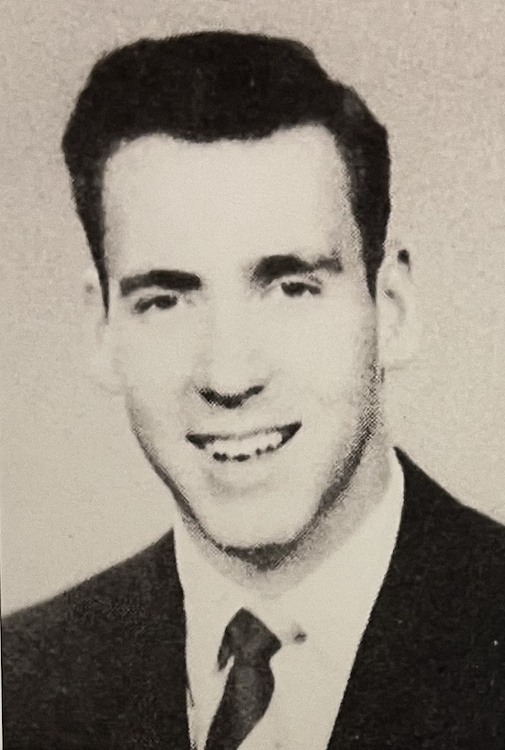
Ed McCully (’52), a close friend of Jim Elliot’s and the witness to his marriage to Elisabeth, felt the call toward full-time ministry instead of pursuing law. This decision ultimately led him to enroll in Biola’s School of Missionary Medicine (SMM) in 1951 for a year-long intensive training in dentistry, tropical medicine, midwifery and nursing before leaving for Ecuador. Known as a great speaker and athlete during his undergraduate years at Wheaton College, McCully became president of his SMM class and led in prayer at graduation. He, his wife Marilou and their son soon followed Jim and fellow missionary Pete Fleming to Ecuador in December 1952. McCully was the first to be killed among the five men on January 8, 1956.
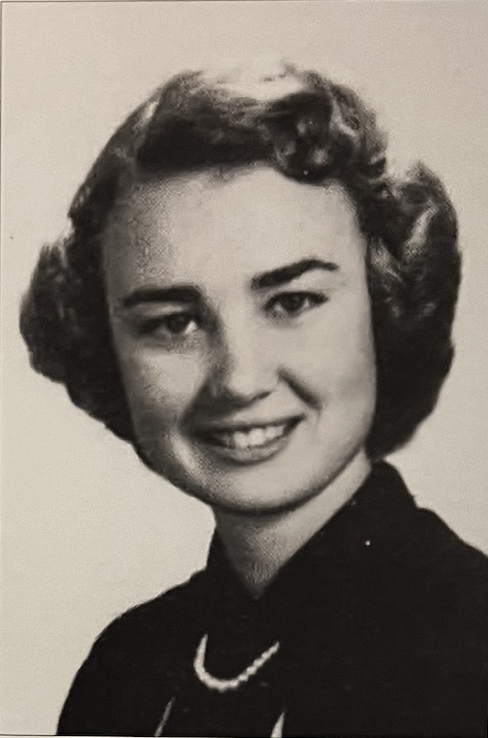
While serving in Ecuador, Fleming was writing letters home to childhood friend Olive Fleming Liefeld (Ainslie, ’54), with whom he had long been discussing a future. The need for medical help in Ecuador was clear, and Fleming encouraged Olive to apply to Biola’s School of Missionary Medicine. Just a few weeks after graduating from Biola, Olive married Fleming, and the couple returned to Ecuador to serve as missionaries. After Fleming’s death, Olive returned to the United States.
While attending Biola’s School of Missionary Medicine, both McCully and Fleming Liefeld trained not only in the classroom but also in clinical settings 17 hours per week. The school opened in fall 1945 under the direction of Leonie Soubirou, who was known for a joint passion for missions and for nursing. The president of Biola at the time, Sam Sutherland, recognized the need among missionaries for medical training and sought Soubirou's help to start a program. The program was highly successful, and its graduates immediately had a worldwide impact.
Soubirou stayed connected with missions organizations, and as their needs changed, she adjusted the school’s curriculum to meet those needs. These developments ultimately led to the SMM becoming Biola’s undergraduate nursing program in 1966. Biola’s nursing students today are still trained consistent with Soubirou's vision, using physical healing as an avenue for spiritual renewal.
In remembering the martyrdoms in the jungle 70 years ago, Biola is honored to recognize the legacies and ministry of these two inspiring alumni. Through May 2026, the Biola Library is hosting a special exhibit Through Gates of Splendor: The Elisabeth Elliot Story. The exhibit provides an intimate inside look at the group's missionary work in Ecuador, leading up to and following the men’s deaths. Both McCully and Fleming Liefeld are honored in a portion of the exhibit. Visitors are welcome during Biola Library hours.
Written by Sarah Dougher, media relations specialist. For more information, email media.relations@biola.edu.
.jpg)