 Biola University
.jpg)
For the first time in Biola University's history, the (NIH), the nation’s medical research agency, awarded the university a $3.4 million grant.
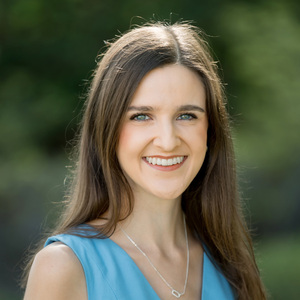
The grant allows faculty from the Rosemead School of Psychology, the School of Science, Technology and Health and the Talbot School of Theology to pursue joint research goals. Specifically, funding from this research grant will support a project focused on advancing ethical, legal and social implications (ELSI) research on how religious beliefs shape engagement with genomic medicine. Genomic medicine is an emerging medical discipline that uses an individual’s genetic information as part of their clinical care. Dr. Liz Hall, a professor of psychology at Rosemead and the project lead, commented on the unique collaborative aspect of this grant.
“This grant matters because it positions [Biola for] truly interdisciplinary collaboration, one that brings together psychologists, theologians, medical doctors and public health experts around a shared research agenda,” said Hall. “That kind of integration is rare, and it reflects the best of what a Christian university can offer to the broader research world.”
The project, “BRIDGE: Building Religious Insights for Developing Genomic Engagement,” will ultimately broaden perspectives in genomic medicine, improve patient-centered care and create scalable models for faith-based engagement in ELSI research. The grant aims to help close the gap between the benefits of genomic medicine and how Christians approach and engage with it.
The principal investigators are Hall, Dr. Eu Gene Chin, associate professor of psychology, and Dr. James DuBois from Washington University. The Biola research collaborators include Dr. Carissa Dwiwardani, professor of psychology, Dr. Peter Hill, faculty emeritus, Dr. Dorothy Calley, professor of communication, Dr. Scott Rae, professor of theology and Christian ethics, Dr. Jason McMartin, professor of theology, Dr. Ben Shin, associate professor of Christian ministry and leadership and Dr. , associate professor of Old Testament and semitics.
Over five years, the team will use the funds to conduct theological research, large-scale surveys, qualitative interviews and develop educational programs for both religious communities and healthcare providers. The initiative aims to build Biola’s capacity for NIH-funded ELSI research, foster community partnerships and train a new workforce in this field, creating opportunities for long-term research practices at Biola.
“A significant portion of the grant is devoted to equipping Biola to become a genuine leader in this area of research for years to come,” said Hall. “This means investing in the infrastructure needed to sustain NIH-level research long after this grant ends, including institutional review board development, compliance systems and research administration training.”
Hall has been a member of the Biola community for nearly four decades, first beginning as an undergraduate student in 1987. When this grant opportunity emerged, she saw it not only as a professional milestone but also as a chance for her research interests to converge with the institution she has invested in for many years.
“My broader research has long explored the dialogue between science and religion, looking at questions such as how people navigate doubt when faith and science appear to be in tension, and how moral emotions shape the way we engage with emerging scientific technologies,” said Hall.
Biola University is committed to providing both undergraduate and graduate students with an education rooted in faith and driven by academic excellence. This commitment includes a dynamic 95-acre campus in the Los Angeles region, faculty members dedicated to high-quality research within their discipline and a personal commitment to Christ. Biola’s 14:1 faculty-to-student ratio allows students to develop lasting relationships with their professors. Learn more and apply to Biola by May 1 to become part of the community.
Written by Sarah Dougher, strategic communication manager. For more information, email sarah.m.dougher@biola.edu.
.jpg)
.jpg)